
Breast Cancer Symptoms and Risk Factors
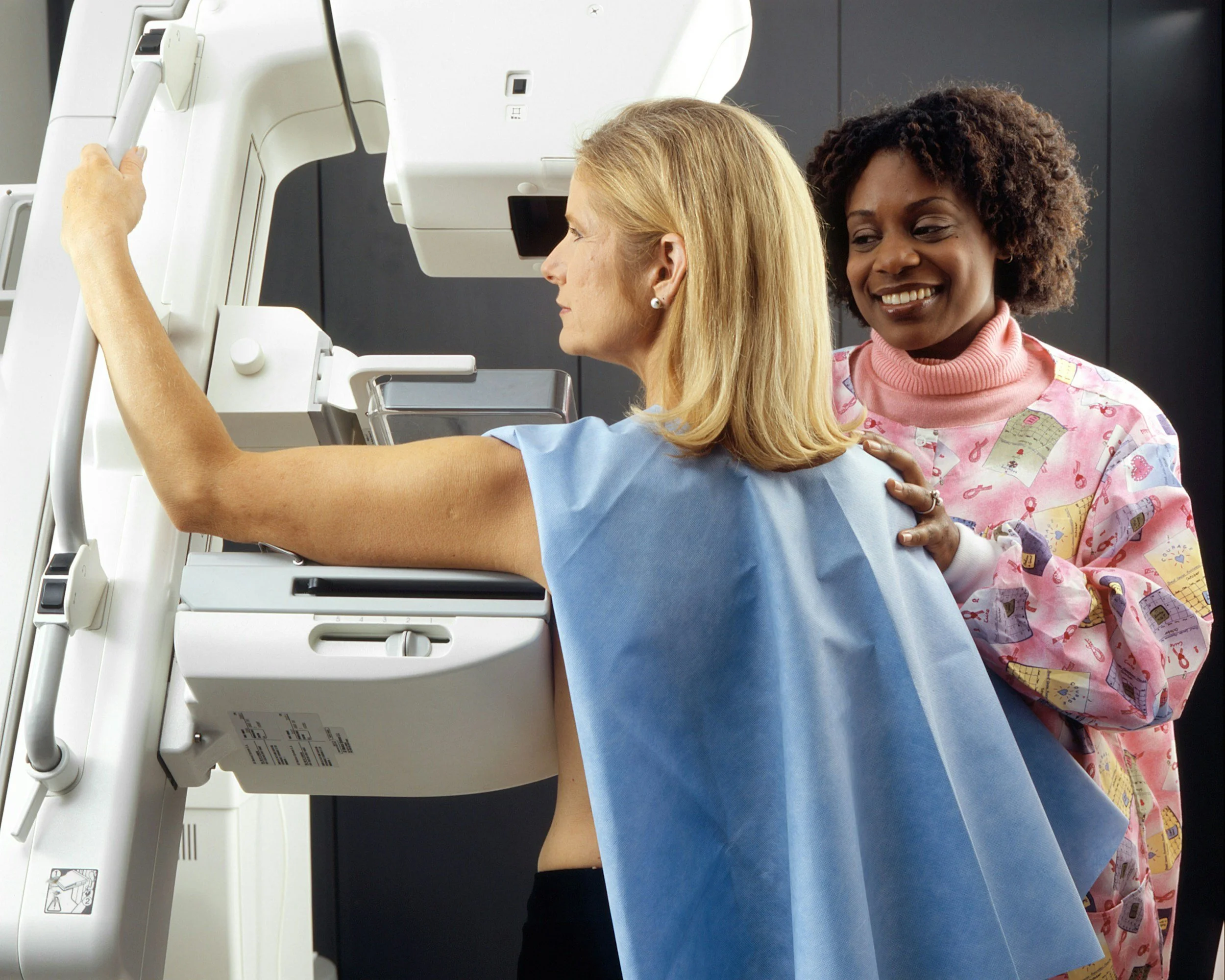
Despite years of improved survival rates, cancer remains the most common cancer diagnosis among women in the US. This multifactorial disease affects approximately one in eight women, leading to complicated treatment plans, high financial costs, and the trauma of facing down a life-threatening illness.
Breast cancer prevention starts with education, which is why healthcare providers, community leaders, educators, and parents must understand breast cancer risk factors and how to detect the signs of the disease early.
What Is Breast Cancer?
Breast cancer occurs when breast cells multiply out of control, eventually forming tumors. There are different types of breast cancer, largely categorized by where tumors originate:
Ductal carcinoma (IDC): Occurs when tumor formation starts in the milk ducts.
Lobular carcinoma (ILC): Occurs when a tumor forms in the glands.
Additionally, breast cancer is classified as invasive (spreading to surrounding tissue) or non-invasive (it only affects breast tissue).
Signs and Symptoms of Breast Cancer
The symptoms of breast cancer vary based on several factors, including the type of cancer and the natural density of the breast tissue. The most consistent signs of breast cancer are:
Lump: A painless lump or firm area in the breast or underarm.
Skin changes: The skin near the tumor may turn red, scale, or appear to “dimple”, like the peel of an orange.
Nipple changes: Nipples may turn inward, flatten, or change position.
Discharge: Nipples may leak fluid, which is often bloody or clear.
Pain: One breast or an area of the breast may feel painful or slightly change shape.
Modern Breast Cancer Detection Methods
Breast cancer rates are rising generally in the US, with diagnoses in women under 50 increasing the fastest. Overall, instances of breast cancer have risen 1% annually since 2012, though breast cancer survival rates have improved dramatically. Since 1989, death rates have fall 44%, in no small part due to earlier detection.
Mammography: Digital and 3D mammograms provide detailed, highly accurate, layered images of breast tissue.
Breast MRI: MRI technology is reserved for high-risk patients or when mammogram results are unclear.
Clinical Breast Exam (CBE): A physical examination performed by a healthcare provider. These are often undertaken during annual health evaluations.
Breast Self-Exam: A personal check, which may identify lumps or abnormalities early and trigger more detailed tests.
The National Cancer Institute advises mammograms for women 50-69, though younger women with a family history of breast cancer or other risk factors often receive examinations earlier.
Read More: Why Bowel Cancer Rates in Young People Are Rising
What Causes Breast Cancer?
Breast cancer is primarily caused by genetic mutations driven by hormonal, lifestyle, and hereditary factors. The biggest risk is simply being female; 1% of all breast cancer diagnoses affect men, however.
Breast cancer risk factors include:
Genetic mutations, especially in the BRCA1 and BRCA2 genes, although research shows other genes are also contributors to increased risk.
Hormones, such as estrogen exposure, early puberty and late menopause, all play roles.
Lifestyle factors, such as being overweight or obese, alcohol consumption, lack of exercise, and not having children, all affect risk.
Women with a family history of breast cancer, those over 50 years old, and those with higher breast density may also face a higher risk of developing breast cancer.
The Four Stages of Breast Cancer
Like many types of cancer, breast cancer is divided into stages. Each stage is based on factors such as tumor size, whether the tumor has spread, and, if so, how far it has spread within the body.
Stage 0: Also referred to as carcinoma in Situ, cells are non-invasive and present only in ducts or glands.
Stage 1: Indicates a tumor 20 millimeters or smaller that has not spread to the lymph nodes.
Stage 2: The tumor is between 20 mm and 50 mm and has spread to nearby lymph nodes.
Stage 3: Often considered “early advanced”, the cancer has spread to additional lymph nodes but not to distant organs.
Stage 4: Metastasized cancer that has spread beyond the breast to bones, lungs, or brain. This is considered advanced cancer and requires a range of treatments to first slow the spread and then reduce tumor size.
Breast Cancer Treatment Options
Today, breast cancer treatment is highly personalized based on the type and stage of the cancer and the individual’s genetics. Treatment plans often include a combination of surgery, radiation, chemotherapy, hormone therapy, or targeted therapies. Importantly, most modern breast cancer treatments prioritize preserving the breast and avoiding mastectomy (removal of the breast) through chemo, radiation, and other methods.
Breast Cancer Statistics
Breast cancer survival rate: The five-year survival rate is 91%, up from 84% at 10 years.
Disparities: Minorities have more negative outcomes. Black women have a 5% lower incidence rate compared to white women, but are 38% more likely to die from breast cancer.
Deaths: There were approximately 316,950 invasive and 59,080 non-invasive breast cancer cases in women in 2025, with 42,170 deaths. 2,800 men were diagnosed with breast cancer, while 510 died.
Making Breast Cancer Prevention a Priority
Less Cancer is committed to improving access to care, providing educational resources, and advocating for prevention as a public health priority. For over a decade, our grassroots organization has championed prevention as a vital component of lower cancer rates worldwide. You can help by donating to our mission today.