
COVID-19 Vaccines May Have Side Effects. Cancer Isn’t One of Them.
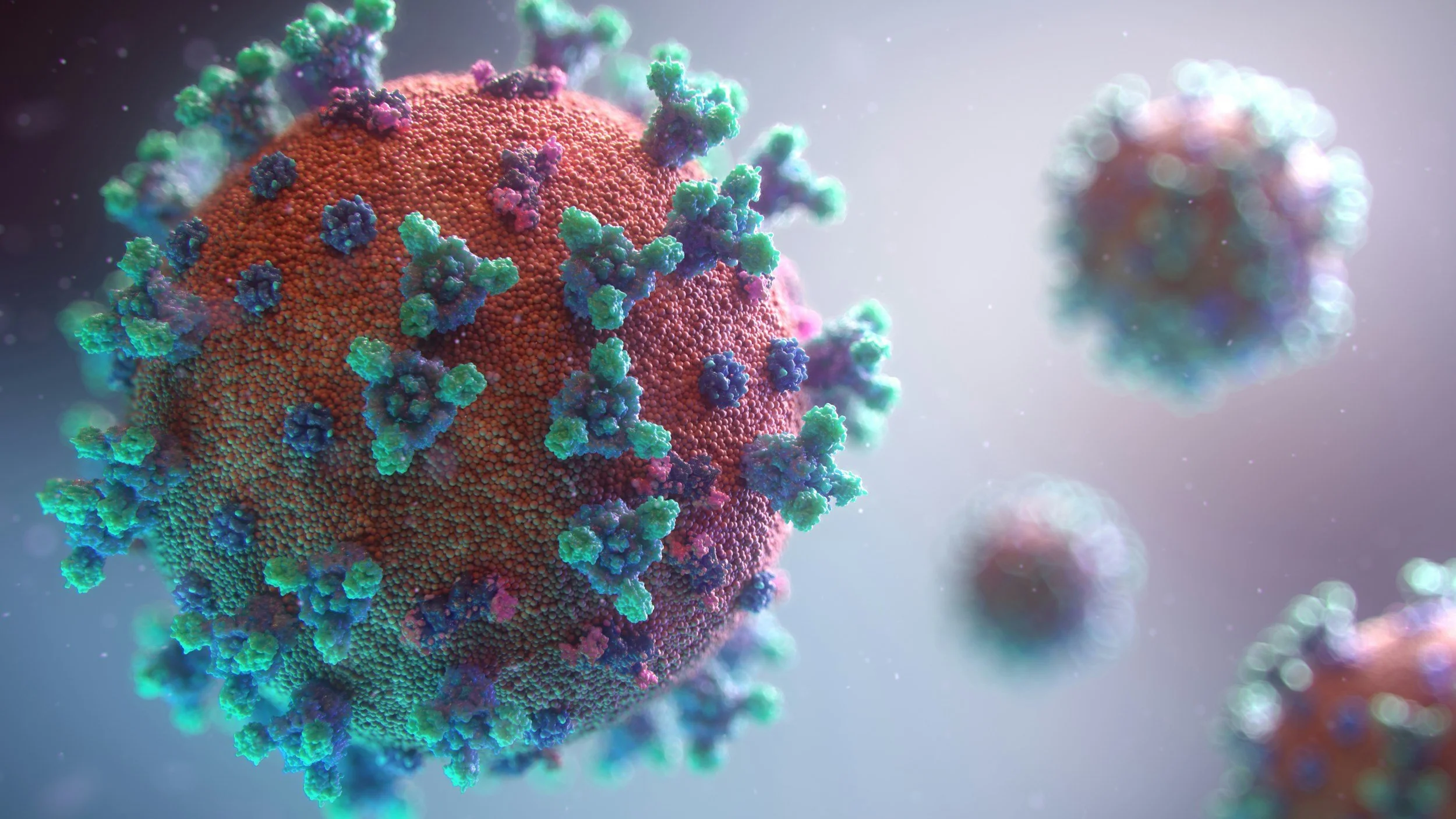
Most medications have side effects, and the numerous iterations of COVID-19 vaccines released since the peak of the pandemic have their fair share. Like most medications, COVID-19 boosters’ side effects only affect a relatively small number of individuals, and all of those symptoms are preferable to a diagnosis for at-risk populations. COVID-19 shots are safe, effective, and life-saving; don’t let fearmongering keep you or a loved one from getting a booster.
What to Know About the COVID-19 Vaccine
Today’s COVID-19 vaccines are updated versions designed to target current variants, such as JN.1 and XFG. These vaccinations evolved rapidly from the many trials undertaken in 2020 to fight the COVID-19 pandemic. Two manufacturers, Pfizer-BioNTech and Moderna, were given emergency authorization to accelerate research, testing, and production. Despite the fast track, the FDA found both vaccines safe and effective. In 2021, Johnson & Johnson was also given emergency use authorization for its vaccine.
By 2022, the FDA approved Moderna and Pfizer-BioNTech’s vaccines, with Johnson & Johnson getting approval in early 2023. The manufacturers began updating COVID-19 vaccines and boosters in 2024,
mRNA Vaccine Development
While relatively new in the marketplace, mRNA technology dates back to the 1980s. Doctors at Harvard University used a synthesized RNA enzyme to create an active messenger (mRNA). By 2005, scientists developed an mRNA that kept the immune system from attacking mRNA, opening the door for vaccine applications.
While the vaccines may feel new, they’re the product of decades of rigorous research and testing, with billions of injections worldwide since 2022.
COVID-19 Shot Side Effects
Almost immediately after their introduction, COVID-19 vaccines underwent extreme scrutiny. Most of the criticism was unfounded, often partisan fearmongering that extended “hoax” mythology. That’s not to say COVID-19 shots, like most vaccines, don’t have some side effects.
Some people do experience side effects from COVID-19 shots, including:
Tiredness
Headache
Muscle pain
Fatigue
Upset stomach or nausea
Swollen lymph nodes
Some people get a red rash at the injection site. In very rare cases, COVID-19 shots may cause an allergic reaction, particularly in those with a history of reactions when receiving other types of vaccines.
Related: The Real Health Effects of Sugar
COVID-19 Vaccine and Cancer
There is no scientific evidence that indicates COVID-19 vaccines cause cancer. A South Korean study raised some questions about a vaccine and cancer link. Still, peer researchers pointed out that the statistical correlation between cancer rates and vaccinated individuals didn’t account for other factors, such as higher rates of early detection in high-income households and the diagnosis timeline. The study was conducted a year after most individuals received their vaccine; most types of cancer take years or even decades to develop; the individuals almost certainly had cancer before they received the vaccine.
Most major healthcare organizations strongly advise cancer patients to get the COVID-19 vaccine, since cancer increases the risk of mortality. There is also evidence that COVID-19 vaccines may have better health outcomes:
Patients with advanced lung cancer who received the vaccine lived nearly twice as long as those who did not receive the vaccine.
Patients who received the vaccine see a heightened immune response, improving immunotherapy treatments.
It’s important to trust the science and the advice of a trusted healthcare professional over internet “experts” and political partisans. Talk to your doctor to explore the benefits of an updated COVID-19 booster, especially if you’re over 65 years of age or have illnesses that put you at risk.
Cancer Prevention Is the Priority
Less Cancer is committed to making cancer prevention a public health priority. Through education, programming, and advocacy, we have helped push prevention to the forefront of cancer debate and help reduce risk for millions of Americans. From pandemic-era misinformation to today’s public health narratives, Less Cancer is focused on at-risk communities and access to care. Support our work by donating to Less Cancer today.