
In the summer of 2024, I thought I’d pulled a muscle. I had an ache along my ribs that wouldn’t go away, the kind you blame on a workout or a bad night’s sleep. I’d never smoked, and I felt healthy. When I called my doctor, I expected to hear “give it a few weeks.”
Instead, a routine chest X-ray showed a tumor in my left lung. The cancer had already spread to two of my ribs. I was diagnosed with stage 4 lung cancer. The question that wouldn’t go away. I started chemotherapy almost immediately. Later, biomarker testing found an EGFR mutation, which meant I could switch to targeted therapy. I was grateful for that and the gift of more time and a good quality of life.
One question kept coming back to me, though: how does someone who has never smoked end up with lung cancer?
A few months into treatment, my doctor gave me a possible answer. He told me he was seeing more young, healthy people diagnosed with lung cancer, people who didn’t fit the profile we’ve all been taught to expect. He said environmental exposures could be part of the reason, and he mentioned one by name: radon.
What I Didn’t Know About Radon
I’d spent four decades in business and civic life, and I knew virtually nothing about radon. Here’s what I learned:
It’s the second leading cause of lung cancer in the United States. It’s linked to an estimated 21,000 deaths every year.
It comes from the ground under our feet. Radon, a naturally occurring radioactive gas, enters homes through cracks, foundations, and other openings, and it can accumulate indoors to dangerous levels.
You can’t see it, smell it or taste it. Testing is the only way to know it’s there.
The Number in My Basement
So I tested my own home. I put a radon monitor in my basement, and it read above 8 picocuries per liter (pCi/L). The EPA recommends taking action at 4 pCi/L, so my reading was more than double that. I’ve lived in our home since 2001. That’s more than twenty years of breathing radioactive air.
Can I prove radon caused my cancer? No. Radon doesn’t leave a “fingerprint” that a doctor can point to. But with levels that high and that many years of exposure, no family history, no comorbidities, and an NIH radiation calculator result in a nearly 80% likelihood...I believe it’s more than a strong possibility.
Turning a Diagnosis into a Mission
I spent more than 40 years in advertising and marketing, helping organizations get people to pay attention and take action. I decided to use those skills for the cause that had found me. I founded People vs. Radon, an initiative to raise public awareness and support for policies that protect families across the DC, Maryland and Virginia region and beyond. We’ve brought together an advisory council, developed community awareness initiatives, a radon monitor library lending program and developed a public service campaign to get people testing their homes.
What I Want Every Family To Know
Smokers aren’t the only people who get lung cancer. Anyone who has lungs can get lung cancer. I’m proof of that. Your neighbor’s test result says nothing about your home. Radon levels can differ a lot between houses on the same street. New homes, old homes and apartments with any kind of foundation, can all have high levels. Test. Know. Fix. Test your home, understand what the results mean, and if your levels are high, fix the problem quickly. Radon mitigation works, and it’s much simpler than most people expect.
What Has To Change
Awareness isn’t enough. We need stronger and more consistent radon guidelines and better protections for homebuyers, renters and homeowners, so families don’t find out about radon the way I did. A radon test can be free through some counties and municipalities or cost a modest amount. A lung cancer diagnosis changes everything. Please test your home. Learn more at: www.peoplevsradon.org.
About People vs. Radon
People vs. Radon (https://www.peoplevsradon.org/), fiscally sponsored by the Greater Washington Community Foundation, a 501 (c) (3) nonprofit, is working to protect people from one of the nation’s most dangerous and least understood health risks: radon gas. Founded by lung cancer survivor Cary Hatch, the organization runs public awareness programs that educate homeowners and renters on radon exposure, testing, and mitigation, expanding access to testing resources and promoting lifesaving action across the Greater Washington, D.C. region and beyond. Guided by the belief that no one should develop preventable lung cancer because they didn’t know radon was in their home, People vs. Radon’s message is simple: “Test Your Home. Save Your Life.”
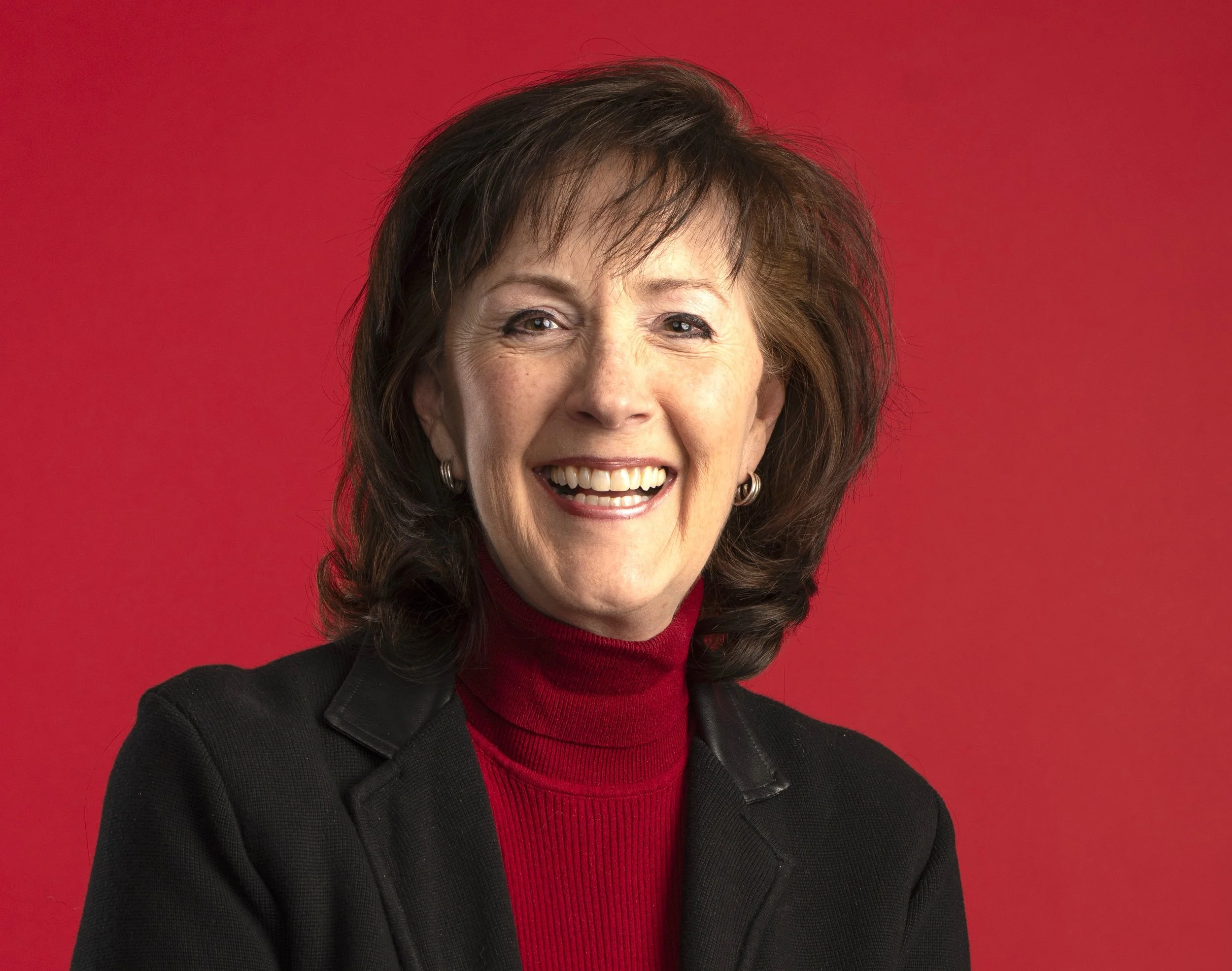
Cary Hatch, Founder
People vs. Radon