
Genetically Modified Organisms and Cancer: What’s the Connection?
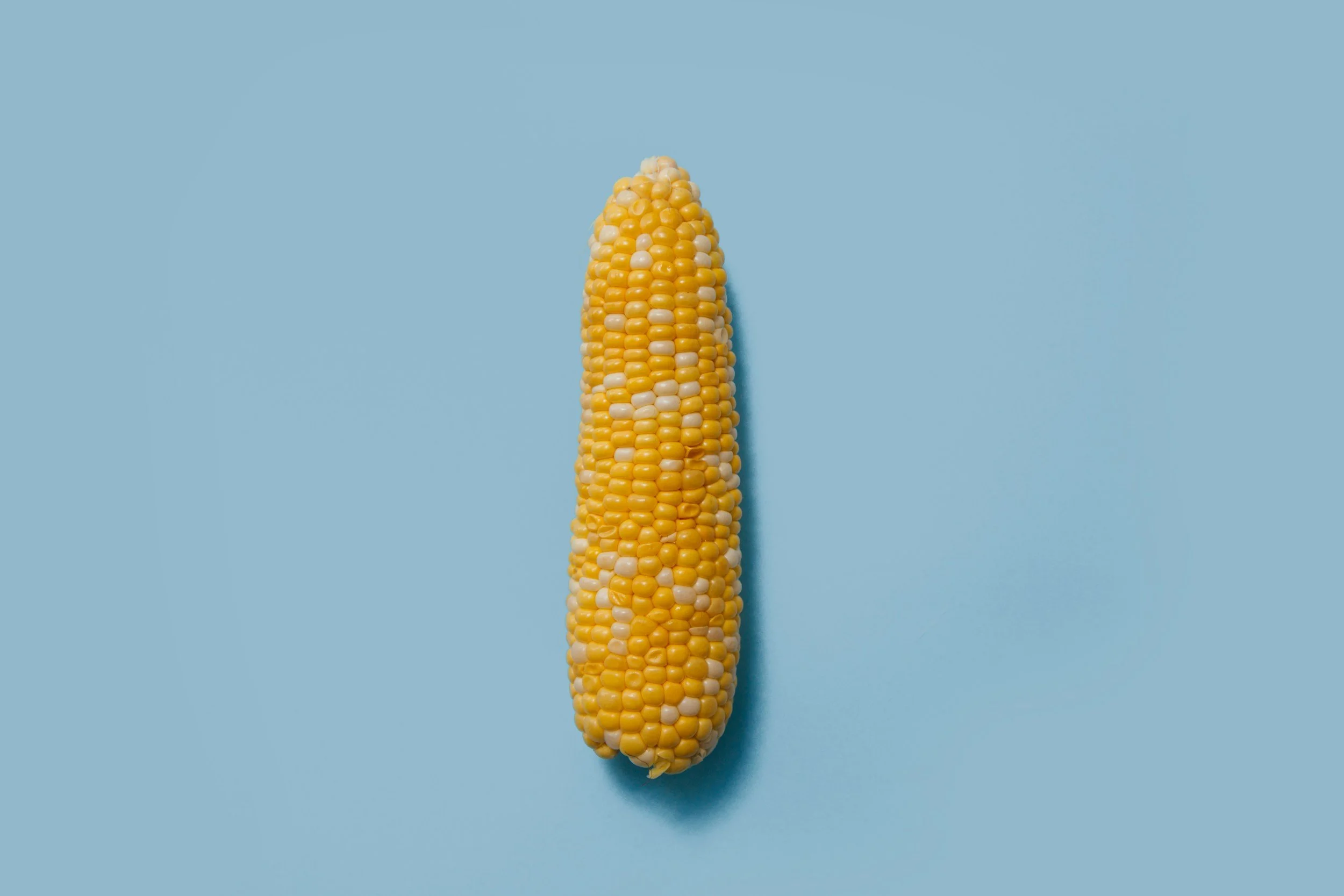
Genetically modified organisms (GMOs) have a murky history. An extension of more traditional cross-breeding, today’s stable GMO products are the foundation of food manufacturing and include some of the most important commodity crops on the planet. Once celebrated as a solution to world hunger and food supply volatility, GMOs are facing a strong backlash from consumers skeptical of their safety.
Learn more about the history of GMOs, the most common GMO crops, and the basics of non-GMO certification to make your own health decisions about GMO products.
What Are GMOs?
Genetically modified organisms are any plant, animal, or microorganism with genetic material that has been altered using genetic engineering techniques. The technologies associated with genetic engineering have evolved over the years, with CRISPR the most recent well-known or commercially successful variation.
GMO products are altered to achieve specific goals, usually to:
Increase pest-resistance
Improve climate resistance, such as plants surviving in drier climates or cows producing more milk.
Reduce the need for herbicides, fertilizers, or lower water requirements
Increase crop yields
Some well-known examples of successful GMO products, including pest-resistant corn, have had a significant impact on commodity markets and have helped preserve agricultural economies in the US and worldwide.
The Most Common GMO Products
In the US, key commodity crops have almost entirely transitioned to GMOs. Over 90% of corn, canola, cotton, and sugar beets grown in the US are GMO. These inputs are used for a wide variety of applications, including processed foods (such as soy oil, corn syrup, and sugar) and animal feed.
The prevalence of GMO commodity crops makes it almost impossible to avoid purchasing genetically engineered foods; for example, 99.9% of sugar beets, representing half of all US sugar supply, are GMO.
Read More: Benzene, The Carcinogen That Pops Up In Everything
How to Tell If Products Contain GMOs
Historically, not all GMO products have been labeled, but that’s changing. The USDA National Bioengineered Food Disclosure Standard required foods with GMOs to carry a “bioengineered” label. Note that foods certified as USDA Organic are not GMO, as products bearing the Non-GMO Project label (those products may not be organic, however).
What Are the Health Risks of GMOs?
While there are plenty of studies showing some potential health concerns, it’s important to remember that all three US governmental agencies overseeing food safety - the USDA, FDA, and EPA - consider GMO foods equally safe as non-GMO alternatives. Most studies that raise concerns about potential health problems include only animals, and very few long-term human studies show any issues.
Those animal studies show the potential for allergic reactions, antibiotic resistance, and toxic effects, as well as herbicide exposure, which may contain known carcinogens like glyphosate.
Do GMOs Cause Cancer?
To date, no evidence that consuming genetically modified foods causes cancer. Research comparing cancer rates in the US, where GMO consumption is high, is similar to those in the European Union, which has lower GMO consumption. Additionally, there’s no evidence that GMO DNA is broken down any differently than non-GMO DNA as food moves through the digestive system.
There’s more to it than the genes, however. Scientists are increasingly attributing GMO health risks to pesticide residue on those products and not the genetic material.
If you’re concerned about the potential health risks of GMOs or herbicides, here are a few ways to reduce your intake of genetically modified foods:
Avoid products with corn syrup, cottonseed oil, canola oil, or soybean oil.
Look for USDA organic foods.
Look for grass or pasture-fed meat.
Check the labels for “bioengineered” icons.
Knowledge Is Power. Power Is Prevention.
At Less Cancer, we believe that informed consumers will make smart, health-conscious decisions. Since 2012, we’ve helped dispel common cancer myths around food, exercise, and genetics to help families make informed choices that lower their risk of cancer and improve health outcomes. Prevention is the future, and your donation makes a cancer-free future possible.