
Updated Research Shows Firefighters Face Increased Cancer Risk
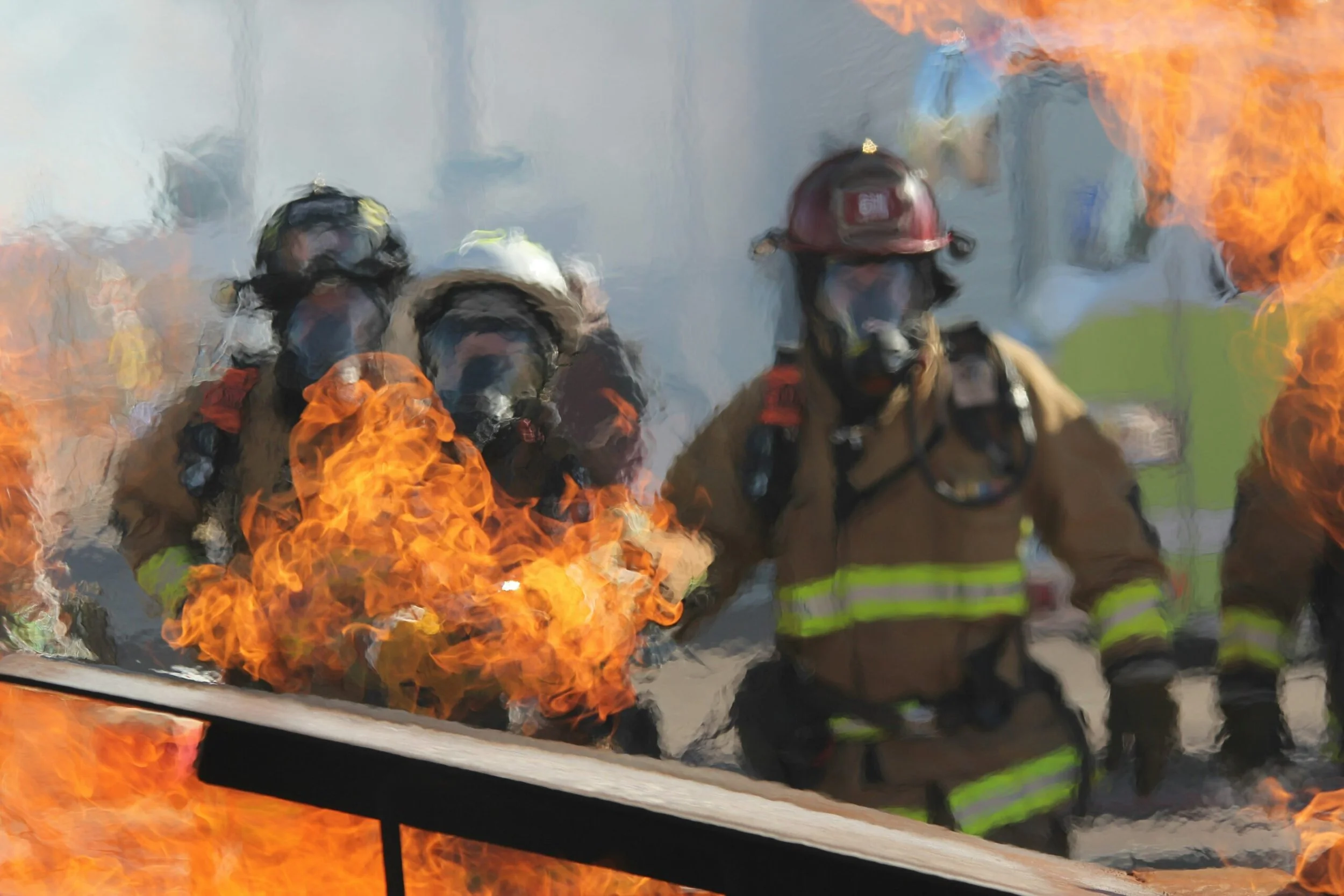
Ongoing research by the American Cancer Society found firefighters face an increased risk of multiple types of cancer, perhaps more than previously thought. Recurring exposure to toxic fumes, PFAS, PFOAS, and other factors all contribute to cancer mortality.
The 36-year follow-up study adjusted for additional risk factors, including family history and lifestyle. Firefighters remain at a higher risk of lung, kidney, and skin cancers, though researchers suspect they may also face a suggestive risk for prostate and colorectal cancers as well. The study was published in the International Journal of Epidemiology.
Delayed, But Consistent
The long-term study confirmed the long natural history of many types of cancer. Most lung cancer diagnoses did not appear in follow-ups for thirty years. The Fire Fighting Cancer Cohort Study has been going for nearly forty years, shedding invaluable insight into the workplace hazards and dangers of firefighting, even after the flames are out. Firefighters provide blood and urine samples every 2 years to monitor changes in PFAS and chemical exposure across key biomarkers.
With over 1,000 firefighters enrolled, the study has also closely monitored the effects of per- and polyfluoroalkyl substances (PFAS) in firefighting foams and from toxic fumes. With wearable exposure samplers as well as accounting for PFAS in firefighting equipment and protective clothing, it’s one of the most important studies on firefighting cancer risk and the most comprehensive.
Read More: Bowel Cancer Rates Among Young People Rising
Firefighters Face Considerable Cancer Risk
It’s far from the first study to link firefighting with higher cancer rates. A meta-analysis of 49 previously published studies shows a statistically significant link between the profession and several types of cancer, including:
Bladder cancer
Colorectal cancer
Prostate cancer
Testicular cancer
Other illnesses include melanoma and non-Hodgkin lymphoma.
The effects are relatively immediate, with careers of any duration showing elevated risks for the illnesses above, as well as mesothelioma. Taken in sum, firefighters have the highest relative risk of cancer mortality of any profession, even when adjusting for age, smoking status, race, and other factors.
Committed to Prevention, Committed to Science
Less Cancer has prioritized cancer prevention, education, and access to care for nearly two decades. Our organization supports innovative, long-term research that provides valuable insights into the causes of cancer, shedding light on potential risk reduction strategies. Now more than ever, prevention matters. Support our work with a donation today.