Food Preservatives, Cancer, and Eating Well
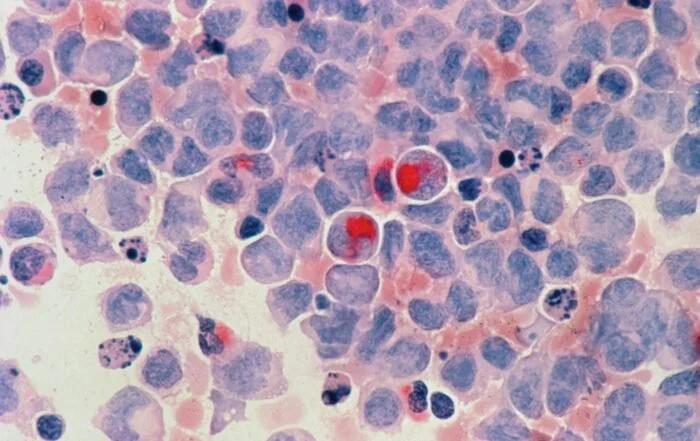
Continued research shows a strong link between commonly used food preservatives and cancer. Learn more about the study and its impact on your health.
New research shows the increasingly clear link between a few common food preservatives and cancer, as well as elevated risk for Type 2 diabetes and other negative health outcomes. Food preservatives are vital components of most consumer packaged goods (CPG), and today’s food supply chain would be impossible without a range of preservative ingredients. Still, there’s growing evidence that some preservatives, particularly a group of nitrates, significantly increase the risk of cancer.
What Are Food Preservatives?
Food preservatives are a category of synthetic and naturally occurring food additives designed to extend the shelf life of CPGs. Generally categorized as food ingredients by the USDA and FDA, preservatives slow spoilage caused by:
Bacteria (antimicrobial)
Mold
Fungus
Yeast
In some cases, food preservatives serve multiple purposes by enhancing flavor, texture, or appearance.
Natural vs. Chemical (Synthetic) Food Preservatives
Natural preservatives are bio-based or naturally occurring, but they require processing to meet the needs ot most food, beverage, and cosmetic applications.
Examples of natural preservatives include:
Aloe vera
Citric acid
Lemon juice
Sodium
Sugar
Artificial/Synthetic Food Preservatives
Chemical preservatives are made-made and typically help products not only last longer, but retain color, texture, and shape better than natural options.
Examples of artificial preservatives include:
Benzoates
Chelating agents
Nitrates
Propionates
Sorbates
Sulfites
Are Most Food Preservatives Safe?
To be used in food, cosmetics, or pharmaceutical applications, preservatives must be deemed “Generally Recognized As Safe” (GRAS) by the FDA. To be clear, the majority of food preservatives are safe and extremely beneficial; they protect the public from food-borne illnesses, help keep food costs in check, and improve quality. But there are some food preservatives that are clearly linked to cancer, as evidenced in recent studies
Cancer and Preservatives
A study published in The BMJ followed the impact of 58 preservatives on 105,000 people deemed cancer-free in 2009. Over a 14-year period, participants completed daily food and diet questionnaires, and only those who completed the questionnaire were included in the final analysis.
Zeroing in on 17 preservatives, researchers found that 11 had no clear link to cancer diagnoses. But 6 did, and all are GRAS by the US FDA. The preservatives linked to cancer were:
Sodium nitrate
Potassium nitrate
Sorbates
Potassium metabisulfite
Acetates
Acetic acid
These preservatives are commonly used in deli meats, cheese, baked goods, and sauces to prevent mold and bacterial growth.
Do Preservatives Cause Cancer?
The study largely supports a few key points.
Some artificial preservatives, including nitrates, acetates, and sorbates, are likely carcinogenic.
While some natural preservatives, including some with antioxidant properties, can lower cancer risk, they can be harmful to health when introduced to foods as additives.
Preservatives may also increase the risk of type 2 diabetes, including five of the six preservatives linked to cancer (potassium sorbate, potassium metabisulfite, sodium nitrite, acetic acid and sodium acetate.
Is It Safe to Eat Food Preservatives?
Eating a diet rich in unprocessed foods, like fresh fruits and vegetables, avoiding processed meats, and checking labels to avoid the highest-risk preservatives can significantly lower your chances of cancer. Talk to your healthcare provider or a professional nutritionist if you’d like to make healthy changes to your diet.
Support Less Cancer
We are a non-profit dedicated to positioning cancer prevention as an accessible, affordable public health policy. Through grassroots support, we offer programming for healthcare professionals, families, and community leaders to fight cancer before it affects individuals and families. You can help – make a donation today.