Will Consumers Still Buy Doritos Without Artificial Colors and Dyes?
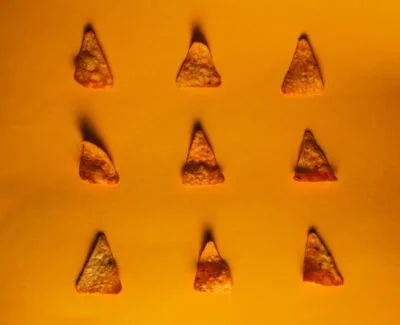
In November 2025, PepsiCo announced it would be removing artificial colors from Doritos and dozens of other products in its expansive food and beverage portfolio. Like many other companies removing artificial colors from food products, PepsiCo is looking to get ahead of potential regulatory changes while meeting broader consumer demand for natural colors and dyes.
Why Consumers Loved Food Colors
Consumers love bright colors and eye-catching foods. For centuries, farmers have added spices to certain dishes and specifically changed how they produced items like cheese to make it a brighter, more appealing shade of yellow. We’ve even bred our bananas, potatoes, and other commodities to be brighter and more colorful.
That’s because bright colors are attention-grabbing, stimulate appetite, and signal freshness and quality. Humans have been programmed for centuries to equate brilliance with flavor and desirability.
In the mid-20th century, railroads and over-the-road trucking, along with consolidated food distribution and marketing, made food colors critical to commercial success. Suddenly, butter became bright yellow to compete with margarine, and Florida oranges were bred - and later dyed - to equal the color of California oranges, both of which were vying for customers in grocery stores nationwide.
A Learned Preference
As consumers came to expect bright colors, especially in increasingly popular processed foods, the association between color and taste became even stronger. Consumers came to believe artificially-colored foods tasted better, even when there was no difference.
Trix and Artificial Colors: The First Headlines
For General Mills, removing artificial colors has been a decades-long process. In 2015, it announced it would release a version of Trix colored naturally with fruit juices and vegetable components. The move resulted in a muted, duller cereal, and it was forced to eliminate the blue puff altogether because no viable natural color was available.
Consumers hated it. In just a few months, General Mills killed off Trix with natural colors and reverted to the original formulation.
Read More: Federal Cancer Funding Cuts, by the Numbers
General Mills, Kellogg's, and dozens of other American food manufacturers have since phased out artificial colors in product lines sold in Canada and the European Union, but have largely left their US products untouched.
Why Replacing Artificial Colorants Is Happening Now
While the threat of bans on artificial colors serves as an additional incentive, consumers’ growing preference for clean-label foods is the most important factor. Consumers are increasingly avoiding petroleum-based synthetic food dyes, notably red dye 3, in January 2025. That’s pushed manufacturers to invest in bio-based natural colors, including:
Galdeiria extract blue
Butterfly pea flower extract
Calcium phosphate (a white pigment)
Carrot-based colors
Trade Associations and Food Manufacturers Commit to Natural Colors
In 2025 alone, several of the world’s largest food and beverage manufacturers have committed to eliminating artificial colors. In addition to PepsiCo, Kellogg’s, and other brands mentioned previously, the list of companies removing artificial colors includes:
Campbell’s
Danone
In-N-Out Burger
Kellanova
Mars
McCormick & Company, Inc.
Nestle
The Hershey Company
The J.M. Smucker Company
The Kraft Heinz Company
Tyson Foods, Inc.
Utz Brands
Walmart
Many trade organizations representing smaller brands, such as the International Dairy Foods Association (IDFA), have made similar commitments.
Will Consumers Eat Doritos Without Red Dye?
Doritos are the perfect embodiment of both the push toward natural colors and the real-world test case of consumer adoption. Many Doritos flavors have red dye, including red dye #40, yet they remain a fixture in American shopping carts and a die-hard following on social media. PepsiCo’s reformulation of Doritos, Cheetos, and other products is part of its plan to completely remove artificial flavors by 2027, and it will be a valuable case study in how consumers can both dictate product development and ultimately decide whether those products sink or swim.
Commit to Less Cancer
Access to healthy nutrition and responsible regulatory guidelines are critical to lowering cancer rates. At Less Cancer, we provide educational programming, advocacy, and resources to make cancer prevention a top priority in communities nationwide. It’s more important than ever to separate hype from health; do your part by donating to our mission today.