
Nitrate: Cancer Trends and Progress
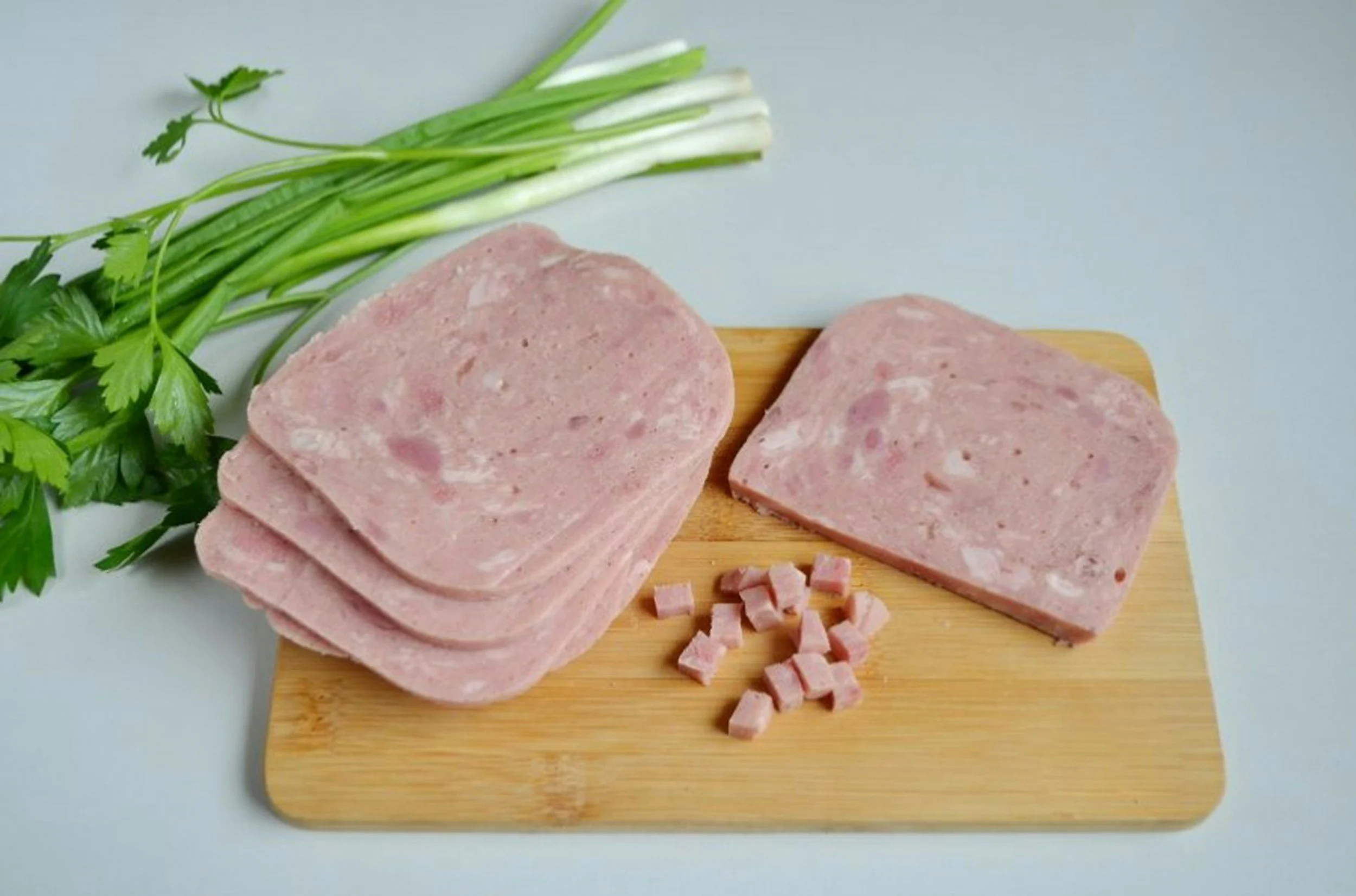
Nitrates are commonly found in ultra-processed consumer packaged goods, including most deli meats. For individuals and households looking to lower their cancer risk, reducing nitrate consumption is a science-based choice with additional benefits.
Learn more about dietary nitrates, their cancer risk, and what nitrate-rich foods to avoid.
What Are Nitrates?
Nitrates are chemical compounds that occur naturally in the soil, water, and within the human body. They’re abundant in many vegetables, but those aren't the types of nitrates to worry about. Synthetic nitrates are used to cure processed meats, as well as in agricultural fertilizers and medications.
Natural vs. Synthetic Nitrates
Natural nitrates in vegetables
Nitrates are naturally found in leafy greens, including spinach and kale. They’re also common in beets and carrots. These natural nitrates are converted into a compound called nitric oxide, which has several positive benefits, including:
Widens blood vessels
Lowers blood pressure
Boost exercise performance
Nitrates As Food Additives
Sodium nitrate and other types of nitrates are added to processed meats to prevent or slow bacterial growth, enhance color, and influence texture and flavor. When heated, additive nitrates can form harmful chemicals called nitrosamines, which have been linked to an increased risk of cancer.
Read More: What Are Food Preservatives?
Foods With Harmful Nitrates
Processed meats are the strongest link between nitrates and cancer. The World Health Organization (WHO) classifies processed meats as Group 1 carcinogens, with an elevated risk of certain types of cancer.
The most commonly consumed nitrate foods include:
Hot dogs
Deli meat
Bacon
How Do Nitrates Cause Cancer?
From a purely biological perspective, nitrates themselves do not cause cancer; natural nitrates have many positive health benefits. However, nitrates undergo significant chemical changes in the stomach during digestion. Nitrates react with amines and amides (components of protein) to create N-nitroso compounds (NOCs). These are widely considered tumor initiators and can damage cellular DNA.
The nitrates in processed meats have a much higher risk, especially if the meat is grilled or fried. The nitrates in vegetables are a much lower risk because they contain antioxidants (including vitamin C and E) and block the conversion of nitrites into NOCs.
How to Reduce Nitrate Intake
If you’re looking to lower your cancer risk by removing nitrates from your diet, start by cutting back or eliminating processed meats.
Check the label on all meat products and look for various forms of nitrates (usually sodium nitrates) added as a preservative.
Opt for lighter romaine and other leafy greens instead of spinach or arugula, which tend to require more fertilizer and can contain nitrates and other chemicals.
Test your home’s water to ensure it meets safe drinking levels. Public health agencies require nitrate-nitrogen levels below 10 mg/L. Use a home purification system to remove contaminants.
Read More: What Are Genetically-Modified Organisms?
Support Less Cancer and Make Prevention A Priority
Nitrates are just one of thousands of environmental risks that increase the risk of a cancer diagnosis. Through access to nutritious foods, education, and healthcare, fewer Americans will face cancer, and that’s a future worth fighting for. Do your part to make cancer prevention a priority and donate to Less Cancer today.